Emergency Electrician Guide: What to Do Before Help Arrives
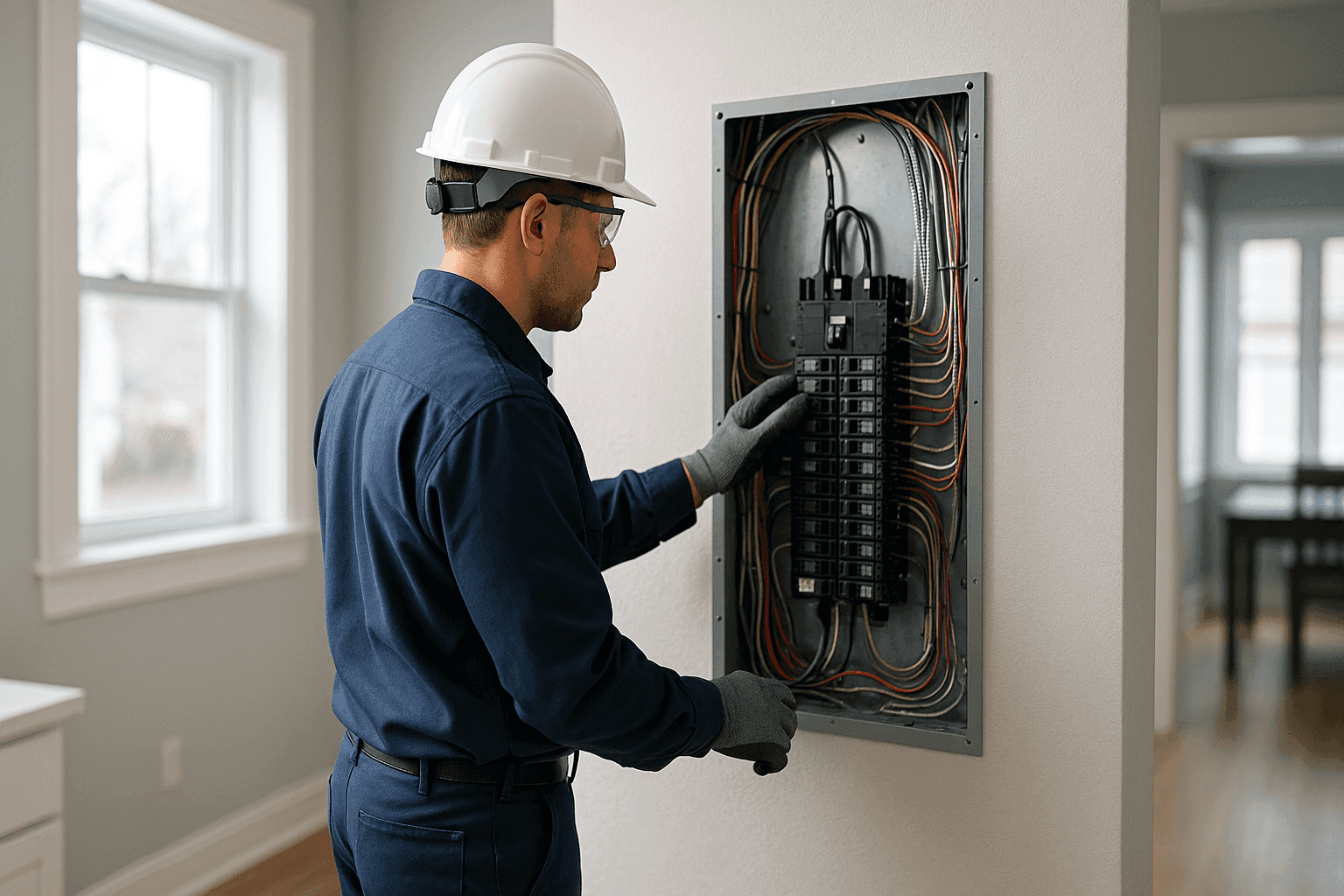
When the lights flicker, a breaker pops, or you spot a spark, your heart skips a beat. Electrical emergencies don’t wait for a good time—and they never knock first. As a homeowner, it’s normal to feel a rush of worry, especially when kids, pets, or a storm are involved.
But you don’t have to panic. Nix Electric is here to help. Safe, practical steps—backed by industry standards—can keep your family out of harm’s way until your emergency electrician arrives.
Recognizing a Real Electrical Emergency ⚡
Not every outage or burnt-out bulb spells disaster. But some warning signs are as serious as a fire alarm.
Look for these red flags:
- Outlets that spark, smoke, or smell burnt
- Power outages that only affect your home (not the whole neighborhood)
- Buzzing or crackling sounds from switch plates or breaker panels
- Exposed, frayed, or chewed wires—especially after storms or rodent activity
- Water near electrical panels or wiring (think: flooding, burst pipes, or leaks)
- Circuit breakers that trip and won’t reset
- Flickering lights paired with burning odors
If there’s fire, smoke, or anyone’s at risk: Call 911 first. Your safety comes before anything else.
Quick Safety Checklist: What To Do—and Not Do
When seconds count, a clear plan can be the difference between a close call and a catastrophe. Take these steps as soon as you notice trouble:
- Stay calm. Take a deep breath. Panic clouds judgment.
- Keep kids and pets away from the problem area. Use baby gates or close doors if needed.
- Don’t touch exposed wires, outlets, or appliances that look damaged.
- If you smell burning or see sparks: Shut off the main breaker—if it’s safe to reach. The main panel is usually in the garage, basement, or utility closet.
- Avoid water. Never step in standing water to reach electrical panels or outlets.
- Don’t use water to douse electrical fires. Use a Class C fire extinguisher if trained, or evacuate and call 911.
- Unplug electronics only if the outlet and plug are not hot, sparking, or wet.
- Turn off HVAC, pool, or spa equipment if you suspect wiring issues.
- Call a licensed emergency electrician right away.
- Gather pets and family in a safe, dry area away from electrical hazards.
DIY vs. Call a Pro: Where the Line Is
Electricity isn’t just invisible—it’s unforgiving. Most electrical emergencies are not DIY territory. Here’s what’s safe for a homeowner, and what should wait for a professional:
Safe for You:
- Shutting off the main power (if you don’t have to cross water or exposed wires)
- Moving family and pets to safety
- Checking if neighbors are also out (to report to your utility company)
Leave to Pros:
- Anything involving exposed, damaged, or wet wiring
- Replacing outlets, switches, breakers, or panels
- Investigating persistent breaker trips
- Repairs after flooding, fire, or rodent damage
- High-voltage systems, machine wiring, or backup generator issues
Electrical codes (like the National Electrical Code, or NEC) exist for a reason: to keep homes safe and avoid tragic accidents.
What Emergency Electricians Do On Arrival
Wondering what happens next? Once your emergency electrician from Nix Electric arrives, here’s what you can expect:
- Rapid assessment. We’ll listen to your description, inspect the affected area, and identify hazards.
- Testing and diagnosis. Using specialized tools, we’ll pinpoint the source—whether it’s a faulty breaker, water damage, or compromised wiring.
- Immediate hazard removal. This could mean isolating circuits, capping exposed wires, or containing fire risks.
- Temporary safe solutions. Sometimes a quick fix is needed to restore safety before a full repair.
- Clear communication. You’ll get a plain-language explanation of what happened and what comes next.
During this process, please keep pets and kids at a safe distance. Our gear and tools are for trained hands only.
Prevention & Maintenance: Life Beyond Emergencies
Most electrical emergencies are preventable with routine attention. Here’s how you can minimize your risk year-round:
- Schedule annual electrical safety inspections (per U.S. Fire Administration recommendations)
- Test smoke and carbon monoxide detectors monthly
- Upgrade old outlets to GFCI/AFCI in kitchens, baths, and garages
- Keep panels and breakers clear of clutter
- Address rodents or water leaks promptly
- Don’t overload outlets or run extension cords under rugs
- If you’re adding big appliances or an EV charger, have your panel checked
For homes with pools, spas, or seasonal equipment, arrange for regular checks before each busy season.
Costs & Time Factors: What to Expect
How much will this cost? That’s the first question for many homeowners.
- Emergency electrician rates are higher after hours, weekends, or holidays.
- Simple fixes (like resetting a breaker or replacing an outlet) are quicker and less expensive.
- Complicated repairs (rewiring, panel replacements, water damage) take more time and may require parts.
- Most emergencies are resolved within 1–4 hours on-site, but major damage or code issues can take longer.
No one likes surprises. Your electrician will walk you through what’s urgent, what can wait, and what’s involved. Always ask for a clear summary before any major work begins.
When It’s an Emergency—and When It’s Not 🚨
Sometimes, it’s hard to know if your issue is urgent or can wait for standard service hours.
Call an emergency electrician immediately if:
- There’s smoke, fire, or burning smells from outlets or electrical panels
- Outlets or switches are hot to the touch
- You see sparks, arcing, or exposed wires
- You’ve had flooding near wiring or your electrical panel
- Circuit breakers keep tripping and won’t reset
- The main power won’t come back on after you’ve checked for utility outages
Not an emergency:
- Flickering lights that aren’t accompanied by burning smells or sounds
- Outlets that don’t work but aren’t sparking or hot
- Regular upgrades or installations
When in doubt, err on the side of caution. Electricity is too dangerous for guesswork.
FAQ: Electrical Emergencies at Home
How do I know if I should call 911 or an electrician?
If you see fire, smoke, or someone is at risk of shock or injury—call 911 first. For non-life-threatening issues (sparks, outages, no fire), call an emergency electrician.
Is it safe to turn off the main breaker myself?
Yes—if you can reach it safely and there’s no water or exposed wiring in your path. If you’re unsure, wait outside and let your electrician know the main breaker’s location.
What should I tell my electrician on the phone?
Describe what happened, where you see trouble (e.g., “smoke from the kitchen outlet”), and if you’ve turned off the main power. Mention if there are kids, pets, or special access needs.
How do I keep my home safe while waiting for help?
Keep everyone away from affected rooms, unplug safe (not hot or wet) devices, and move to a well-lit, dry part of your home. Don’t try to fix or investigate the problem yourself.
Local & Seasonal Considerations: Weather, Kids, and More 🌧️
Storm season, freezing weather, and summer pool parties can all increase the chance of electrical emergencies.
- Storms: Lightning strikes and wind can bring down lines or cause surges. Install whole-home surge protection and check backup generators regularly.
- Cold weather: Frozen pipes sometimes leak near wiring. Watch for water in basements or utility areas.
- Summer: Pools, spas, and outdoor kitchens put extra strain on circuits. Ensure outdoor outlets are weatherproofed.
- Kids & pets: Curious hands and paws mean tamper-resistant outlets are a must. Keep cords tidy and out of reach.
Preventive maintenance goes a long way, but if trouble strikes, quick action and calm thinking will keep your loved ones safe.
Electrical emergencies are scary, but you’re not alone. Nix Electric’s 24/7 emergency electricians are ready to tackle any challenge—day or night.
Call Nix Electric now — or reach us anytime at 844-484-2083 .