Residential Electrical Panel Upgrades: When, Why, and How Much?
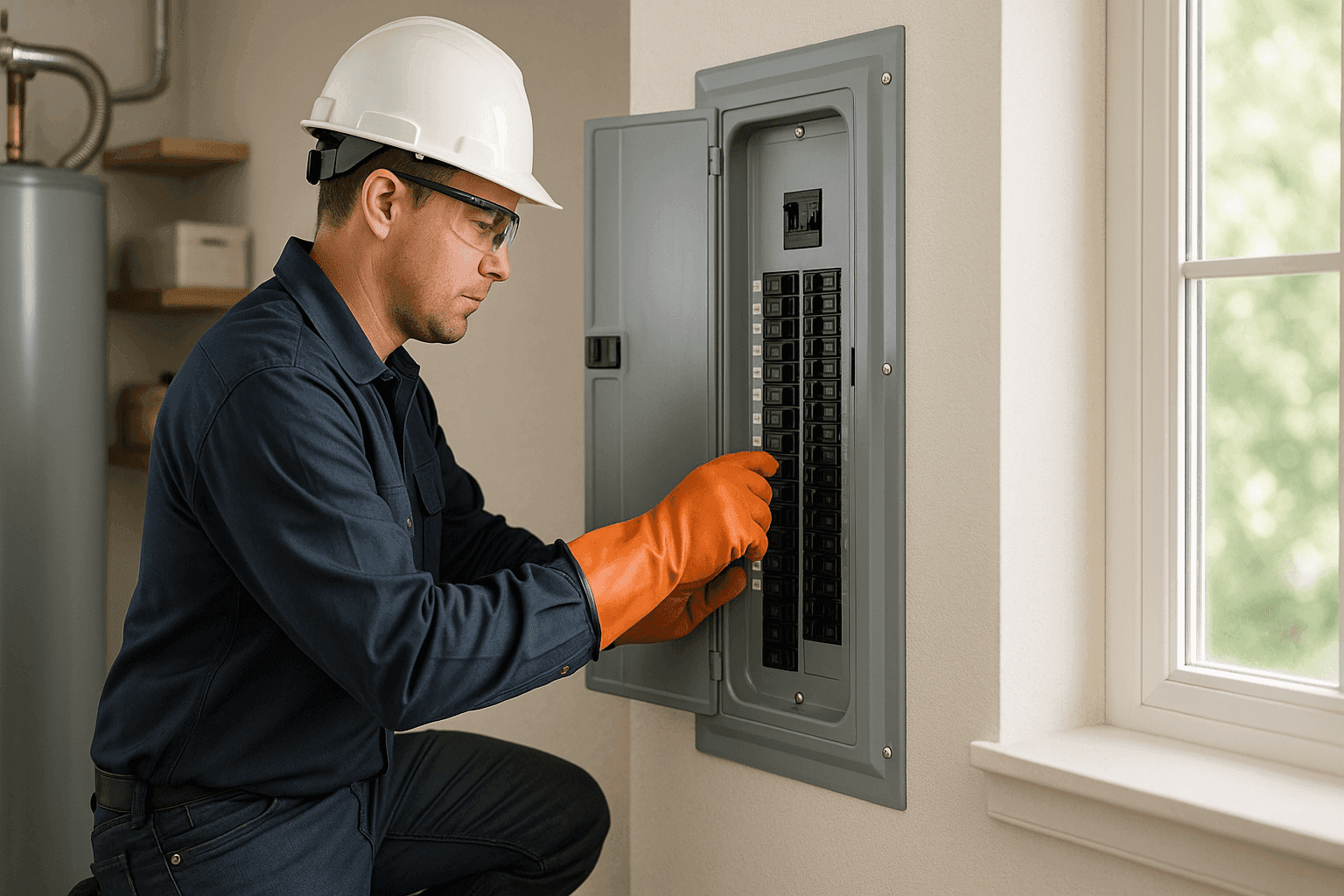
Is your home’s electrical panel quietly working overtime? Most homeowners rarely think about their breaker box—until something flickers, pops, or simply shuts off. But that metal box is the heart of your home’s electrical system. When it’s outdated, everything from your family’s safety to your insurance could be on the line.
At Nix Electric, we understand how stressful and urgent electrical issues can feel. If you’re worried about your panel, you’re not alone. Let’s break down when, why, and how much it really takes to upgrade your electrical panel—and what you should expect from start to finish.
Outdated Electrical Panels: Warning Signs to Watch For ⚡
Your panel may look sturdy, but age and modern demands can quietly wear it down. Here are common signs it’s time to consider an upgrade:
- Frequent circuit breaker trips — If you’re constantly running to reset breakers, your system may be overloaded.
- Flickering or dimming lights when using appliances.
- Buzzing sounds or a burning smell near the panel.
- Warm or discolored panel surfaces.
- Lack of capacity — If you’ve added major appliances, a hot tub, or an EV charger, your old panel may not keep up.
- Original fuse boxes or panels over 25–30 years old.
- Missing or outdated safety features, like GFCI or AFCI protection.
Don’t ignore these signals. They’re like warning lights on your car’s dashboard—quiet, but urgent.
Quick Safety Checklist for Homeowners
Before you do anything, safety comes first. Here’s what you can check:
- Stand back and look for signs of damage—rust, water stains, or scorch marks.
- Listen: any humming, crackling, or sizzling is a red flag.
- Feel: if the panel cover is hot, call for service immediately.
- Never open the panel or touch exposed wires.
- If you smell burning plastic or see smoke, call an emergency electrician and leave the area.
The National Fire Protection Association (NFPA) and your local building codes set strict guidelines for electrical safety. Always put safety ahead of DIY curiosity.
Why Upgrade? Beyond Just “More Power”
Upgrading your electrical panel isn’t just about handling new gadgets. Here’s why it really matters:
- Safety: Modern panels reduce the risk of shocks, fires, and electrical faults. Older panels (like Federal Pacific or Zinsco brands) have known safety issues, according to the U.S. Consumer Product Safety Commission.
- Home Value: Buyers expect up-to-date wiring. An upgraded panel can make your home more attractive, especially if you’re selling soon.
- Insurance: Some insurers may refuse coverage or hike premiums for outdated panels.
- Capacity: Today’s homes have more electronics, HVAC, and smart devices than ever before. A new panel means fewer overloads and headaches.
- Flexibility: Planning a remodel, adding a home office, or installing an EV charger? You’ll need the right capacity from the start.
A panel upgrade isn’t just an “extra”—it’s a foundation for modern living.
DIY vs. Hiring a Pro: Where to Draw the Line
It’s tempting to tinker. But with electrical panels, the stakes are sky-high. Here’s why most jobs should stay in professional hands:
- Code Compliance: Licensed electricians follow the National Electrical Code (NEC) and local regulations—DIY work often falls short.
- Insurance Requirements: Many policies require that licensed pros handle major electrical work.
- Risk of Fire or Shock: Panels carry enough power to seriously injure or kill. Even with the main breaker off, some wires remain live.
- Permits & Inspections: A pro will pull the right permits and arrange inspections for your peace of mind.
Changing a lightbulb is one thing. Upgrading a panel is another. Save yourself the risk—call a qualified emergency electrician from Nix Electric.
What to Expect: The Panel Upgrade Process
Wondering what actually happens during a panel upgrade? Here’s a high-level overview:
- Initial Assessment: The electrician inspects your current panel, wiring, and asks about your power needs. They’ll look for compliance with current code (NEC 2023, for example).
- Quote & Permits: You receive a clear proposal. The electrician files for local permits.
- Power Shutoff: On installation day, power is safely turned off at the main supply.
- Old Panel Removal: The existing panel is disconnected and removed.
- New Panel Installation: The new panel and breakers are installed, with upgrades to grounding and bonding as needed.
- Testing & Inspection: All circuits are checked for proper operation. Required inspections are scheduled with your city or county.
- Power Restored: Once approved, power is turned back on.
Most upgrades are completed within a day, though major rewiring or adding circuits can take longer.
Prevention & Maintenance: Keeping Your Panel Safe
Upgrades aren’t the only answer. Regular maintenance can extend your panel’s life:
- Schedule an annual safety inspection—especially in older homes.
- Keep the area around your panel clear and dry.
- Label your circuits for quick reference in emergencies.
- Test GFCI and AFCI outlets every month.
- If you’re planning major renovations, talk to an electrician early.
Following these steps helps avoid emergency calls and keeps your system running smoothly.
Costs & Time Factors: What Affects the Price?
Electrical panel upgrades are a serious investment. Here’s what goes into the cost:
- Panel Size (Amps): Most homes require 100 to 200 amps. Larger homes or those adding EV chargers may need more.
- Labor: Licensed electricians charge based on complexity, accessibility, and time. Emergency or after-hours work may cost extra.
- Materials: A new panel, breakers, grounding equipment, and wiring can add up.
- Permits & Inspections: Local permit fees vary widely.
- Additional Work: Rewiring, moving the panel, or upgrading your meter can increase the price.
Typical range: Homeowners might see costs from $1,500 to $4,500 or more, depending on location and scope. Complex projects—like full rewiring or adding circuits—can exceed this. Always get a detailed quote and ask what’s included.
When Is It an Emergency?
Some panel problems can’t wait. Call an emergency electrician immediately if you notice:
- Smoke, sparks, or burning odors from the panel or outlets.
- Repeated breaker trips with no clear cause.
- Loss of power to critical appliances (refrigerator, medical equipment).
- Water damage near the electrical panel (after flooding or leaks).
- Visible arcing or melted wires.
Don’t wait for “normal business hours.” Fast action prevents bigger headaches—and keeps your home and family safe.
Frequently Asked Questions
How do I know if my panel is too old?
If your panel is over 25–30 years old or has old-style fuses instead of breakers, it’s time to consider an upgrade. Panels with rust, corrosion, or brands flagged by the U.S. Consumer Product Safety Commission (like Federal Pacific or Zinsco) should be replaced.
Can I upgrade just a few breakers instead of the whole panel?
Sometimes, yes—but only if your panel is modern, undamaged, and has enough capacity. If the box itself is outdated or has safety issues, partial fixes aren’t enough.
Will I need to upgrade my wiring, too?
Not always. If your wiring is in good shape and meets code, a panel upgrade may be all you need. If your home’s wiring is also outdated or undersized, your electrician will advise you on next steps.
How long does it take?
Most panel upgrades take 6–10 hours, not including permitting and inspection. Major rewiring or relocating the panel can extend the timeline.
Local & Seasonal Considerations
Weather and local codes can influence your upgrade:
- Storm season or winter: Outages and emergencies are more common—schedule upgrades before extreme weather hits.
- Local permit timelines: Some cities process permits faster than others.
- Older neighborhoods: Homes built before the 1980s may need extra attention to wiring, grounding, and code compliance.
Nix Electric’s team stays up to date on the latest NEC updates and city regulations, so your project stays on track—no surprises.
Upgrading your electrical panel is one of the smartest moves you can make for your home’s safety, value, and peace of mind. If you’re seeing warning signs or planning a major update, don’t wait for trouble to strike.
Call Nix Electric now — or reach us anytime at 844-484-2083 .