How to Choose and Maintain Your Home Backup Generator
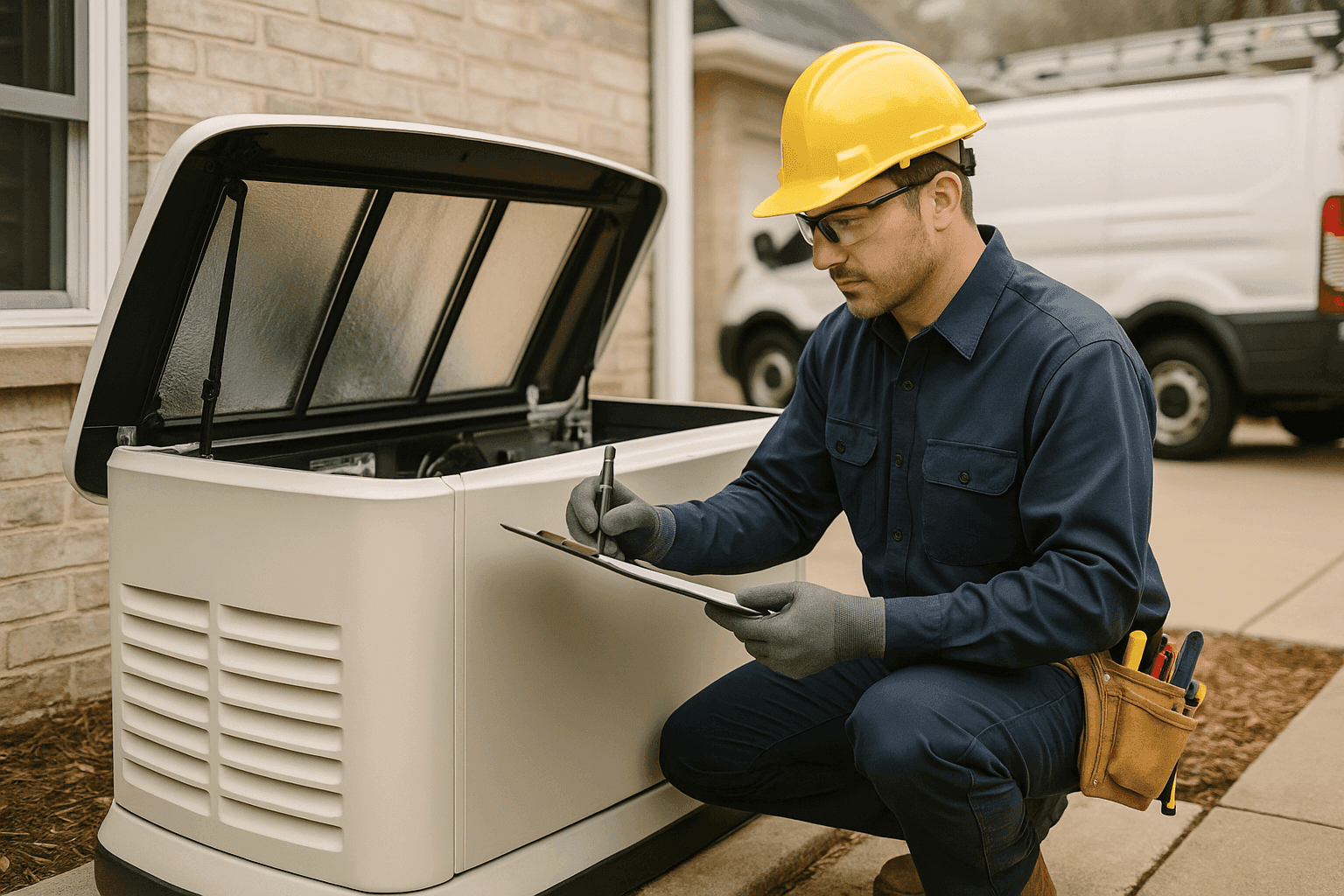
Power outages strike when you least expect them. The sky darkens, the wind howls, and suddenly, your home is silent—except for the hum of a backup generator, if you have one.
At Nix Electric, we know how important it is to keep your lights on, your fridge cold, and your family safe. Whether you’re a homeowner or run a small business, understanding backup generators can mean the difference between comfort and chaos.
Why a Backup Generator Is Essential
Imagine your home as a ship at sea. When storms hit, you need a lifeboat ready. That’s your backup generator. It keeps the essentials running when the main power fails—fridges, medical equipment, lights, and more.
Power outages can last minutes or drag on for days. Weather, accidents, or unexpected grid failures can leave you in the dark. A generator steps in as your safety net, protecting your home and the people inside.
If you run a business, a generator is more than comfort—it’s protection for your inventory, equipment, and reputation. Downtime can be costly.
Quick Safety Checklist Before You Begin ⚡
Before diving in, safety comes first. Here’s a quick list to keep in mind:
- Always read your generator’s manual.
- Never run a generator indoors or in a closed garage.
- Keep generators at least 20 feet from windows and doors.
- Store fuel in approved containers, away from living spaces.
- Install carbon monoxide detectors near sleeping areas.
- Only plug appliances into the generator using heavy-duty extension cords.
- Avoid “backfeeding” power into your home’s wiring—this is dangerous and against code.
- Schedule a certified electrician for installation and major repairs.
The National Fire Protection Association (NFPA) and Occupational Safety and Health Administration (OSHA) both stress these safety basics.
Choosing the Right Backup Generator
Picking a generator isn’t just about wattage. It’s about matching your needs, budget, and home setup. Here’s what to consider:
1. Power Capacity
Start by making a list: What do you need to keep running during an outage? Fridge, heating, medical devices, lights, sump pump? Add up their wattages. Most homes need between 5,000 and 7,500 watts for essentials.
- Portable generators: Good for a few appliances, short outages.
- Standby generators: Power your whole home automatically. They’re wired directly to your electrical panel.
2. Fuel Type
Generators run on gasoline, diesel, propane, or natural gas. Each has pros and cons.
- Gasoline: Easy to find, but doesn’t store well for long periods.
- Propane: Burns clean and stores longer, but requires a tank.
- Natural gas: Connects to your home’s supply, no refilling, but not available everywhere.
- Diesel: Efficient and powerful, but noisier and needs special storage.
3. Installation Requirements
Portable units can be set up by homeowners, but standby generators should be installed by a certified electrician. This ensures safe, code-compliant connections and proper transfer switches.
4. Noise Level
Generators can be loud—like a lawnmower at full throttle. If you have close neighbors or noise restrictions, look for models rated for quiet operation.
5. Budget
Portable generators start at a few hundred dollars. Whole-home standby units can run several thousand, plus installation. Factor in maintenance costs, too.
DIY vs. Call a Pro
Some jobs are best left to the pros. Here’s when to roll up your sleeves—and when to call an emergency electrician:
DIY Tasks
- Checking oil and fuel levels
- Replacing air filters
- Running monthly test cycles
- Cleaning the exterior
Call a Pro For
- Installing or replacing a standby generator
- Connecting to your electrical panel
- Diagnosing electrical faults or error codes
- Upgrading transfer switches
- Annual safety inspections
Remember, electrical work is like plumbing with lightning—don’t risk it if you’re unsure.
What Pros Do On Arrival
When you call Nix Electric, here’s what a certified electrician will do:
- Inspect your current setup for code compliance
- Check wiring, transfer switches, and grounding
- Test generator output and automatic start features
- Perform load tests to ensure your generator can handle your needs
- Look for signs of wear, corrosion, or leaks
- Review your maintenance logs and recommend improvements
Our electricians follow standards set by the National Electrical Code (NEC) and manufacturer guidelines.
Prevention & Maintenance: Your Generator’s Lifeline
A generator is like a car—it needs regular care to run when you need it most. Here’s a maintenance checklist:
Monthly
- Start your generator and let it run for 15–20 minutes
- Check for warning lights or error codes
- Listen for odd noises or vibrations
Every 3–6 Months
- Change the oil and oil filter (follow manufacturer’s schedule)
- Replace or clean the air filter
- Inspect spark plugs and replace if worn
- Check fuel lines and connections for leaks
Annually
- Have a certified electrician perform a full safety inspection
- Test the automatic transfer switch
- Inspect battery and replace if needed
- Clean cooling vents and remove debris
Ongoing
- Keep fuel tanks filled and stabilized
- Store extra oil, filters, and spark plugs
- Update your maintenance log
The Electrical Safety Foundation International (ESFI) recommends professional inspections at least once a year.
Costs & Time Factors
How much does it cost to keep your generator ready? Here’s what to expect:
- Portable generator maintenance: $50–$150 per year for oil, filters, and tune-ups.
- Standby generator maintenance: $200–$500 per year, including professional inspections.
- Installation: Standby generator installation may take 1–3 days, depending on site prep and electrical work.
- Fuel costs: Vary by type and usage. Propane and natural gas are usually more stable in price than gasoline.
Remember, skipping maintenance can lead to expensive repairs—or worse, a generator that won’t start when you need it most.
When It’s an Emergency
Sometimes, things go wrong fast. Here are signs you need an emergency electrician right away:
- Generator won’t start or shuts down unexpectedly
- Burning smells, smoke, or visible sparks
- Fluid leaks near electrical connections
- Error codes you can’t clear
- Flickering lights or partial power loss when running on generator
Don’t wait. Electrical issues can escalate quickly. Unplug appliances, shut down the generator if safe, and call for help.
FAQ: Backup Generators
How often should I run my backup generator?
Run it at least once a month for 15–20 minutes. This keeps the engine lubricated and the battery charged.
Can I install a standby generator myself?
It’s not recommended. Proper installation involves electrical, gas, and code compliance work best handled by a certified electrician.
What happens if I skip maintenance?
You risk startup failures, fuel leaks, dangerous carbon monoxide buildup, and costly repairs. Regular checks keep your generator reliable.
How do I know what size generator I need?
Make a list of essential appliances and their wattages. Add them up, then choose a generator rated for at least that much, with a safety margin.
Special Considerations for Backup Generators
Backup generators are powerful tools, but they come with special requirements:
- Permits and Codes: Many areas require permits and inspections. Make sure your installation meets NEC and local code standards.
- Transfer Switches: Never connect a generator directly to your home’s wiring without an approved transfer switch. This prevents dangerous backfeeding.
- Fuel Storage: Store fuel safely, away from heat sources and living spaces. Rotate stocks to prevent stale fuel.
- Noise and Placement: Place generators on stable, level ground, at least 20 feet from windows, doors, and vents.
- Environmental Impact: Dispose of oil, filters, and old batteries responsibly.
Your backup generator is your home’s safety net. With the right setup and regular maintenance, you’ll be ready for whatever the weather brings.
Call Nix Electric now — or reach us anytime at 844-484-2083 .